Loading...
Loading...

Emotional wellbeing involves understanding and managing our feelings, developing emotional intelligence, and building resilience to navigate life"s challenges with grace and strength.

Several challenges hinder the development of the emotional pillar. One major issue is the lack of psychological support in educational institutions, as there are often no specialized programs to help students cope with emotional stress. Additionally, teachers may not be adequately trained in psychological and social support, leaving them ill-equipped to assist students emotionally. The negative influence of technology and social media also contributes to increasing isolation and social withdrawal. Furthermore, limited cooperation between families and schools makes it difficult to establish an environment conducive to emotional growth, while some home environments may lack emotional stability and balance.

Many educational institutions lack specialized programs to help students cope with emotional stress and psychological challenges.

Teachers may not be adequately trained in psychological and social support, limiting their ability to support students emotionally.

Excessive use of technology and social media can lead to isolation, reduced social interaction, and emotional withdrawal.

Limited collaboration between families and schools hinders the creation of a supportive environment for emotional development.

Some home environments lack emotional balance and stability, negatively affecting children’s emotional well-being.

Training programs can equip teachers with essential skills to provide emotional and psychological support to students.

Involving students in school decision-making enhances their sense of belonging, responsibility, and emotional engagement.

Strong collaboration between schools and families helps create a supportive environment for emotional development.

Extracurricular activities such as arts and sports help students express emotions positively and build emotional resilience.

Technology can be used constructively through digital platforms and applications that provide emotional guidance and psychological support.

Launching training programs such as “A Good Emotional Life” to help students develop healthy emotional awareness and coping skills.

Integrating emotional intelligence lessons and activities into school curricula to support students’ emotional development.
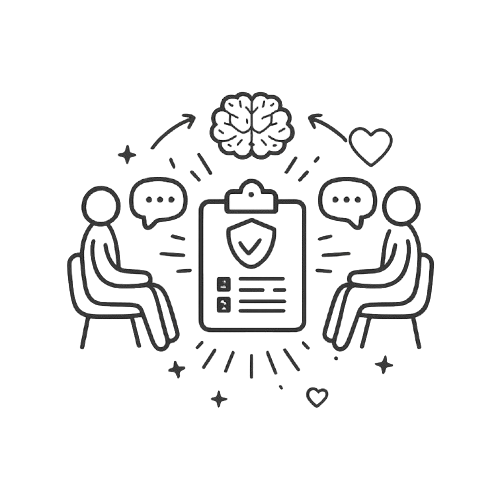
Establishing dedicated psychological support units in schools to provide counseling and emotional guidance.
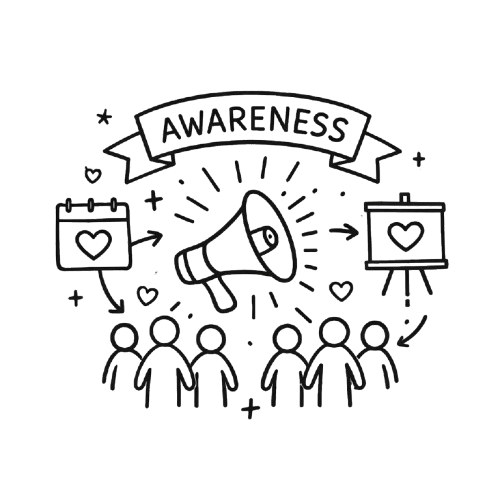
Raising awareness of emotional well-being through community campaigns, workshops, and educational initiatives.

Strengthening partnerships between educational institutions and mental health organizations to provide comprehensive emotional support.