Loading...
Loading...

Intellectual wellbeing involves developing critical thinking skills, fostering curiosity, and engaging in lifelong learning to expand knowledge and understanding.
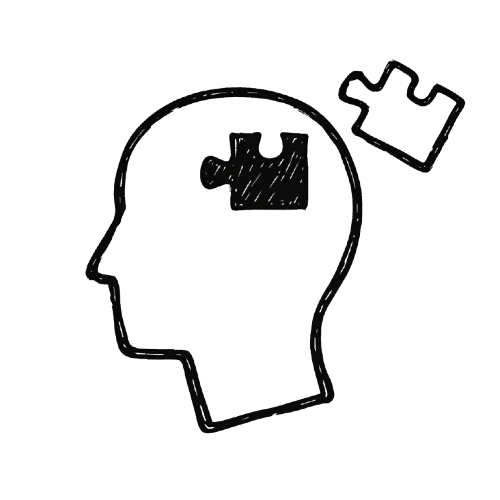
Many students tend to accept information without analysis or discussion, hindering their ability to evaluate and question knowledge effectively.

Rote memorization and passive learning approaches limit students ability to think creatively and solve problems independently.

Students increasingly rely on digital sources without evaluating them critically, reducing research and analytical skills.

Educational methods that minimize student interaction and active participation limit collaborative learning and engagement.
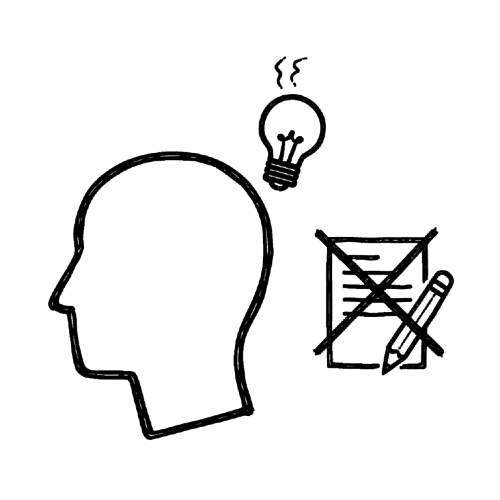
Insufficient focus on research and creative skills reduces individuals contributions to knowledge advancement and innovation.

Students are rarely encouraged to ask questions or explore topics beyond the curriculum, stifling intellectual curiosity.

Provides diverse learning resources that encourage critical thinking and independent learning through accessible platforms.

Partnerships between universities and research centers enhance knowledge exchange, innovation, and creativity.

Debates, scientific research projects, and clubs help students develop their intellectual and collaborative skills.

Artificial intelligence and digital tools can effectively support interactive learning and enhance analytical skills.

Emphasis on critical and creative thinking in educational curricula enhances students intellectual capabilities.

International collaboration and knowledge sharing platforms connect learners worldwide for cross-cultural intellectual exchange.
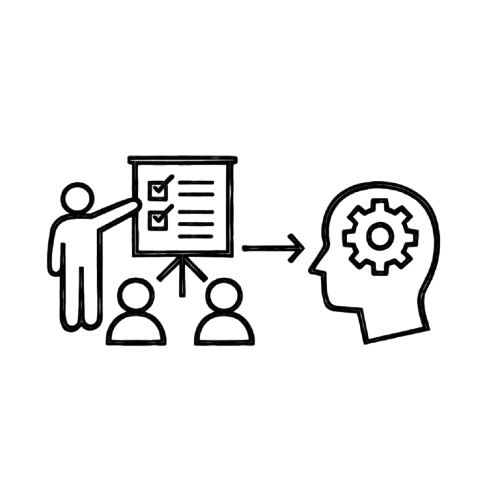
Workshops and educational programs that enhance analytical and decision-making skills through structured learning.

Interactive sessions that encourage students to seek novel solutions to various problems through creative thinking.

Partnerships between schools, universities, and research centers to stimulate intellectual creativity and knowledge sharing.

Scientific competitions and intellectual forums that develop cognitive abilities and celebrate academic achievement.

Training programs that equip educators to inspire students to think critically and creatively in the classroom.

Programs that encourage and support student research initiatives and academic publishing opportunities.